Partes del templo romano Los templos romanos, producto de una rica fusión de tradiciones arquitectónicas, se caracterizan por su diseño distintivo y elementos estructurales definidos. Cada parte del templo romano tenía un propósito específico, no solo en términos de función religiosa sino también estética y simbólica. A continuación, se detallan las principales partes que componen.. Roman Temple (Cordoba – Spain)Next to the Town Hall of Cordoba stands the only Roman temple in Cordoba for which we have archaeological evidence. The sheer size of the building is remarkable: it was dedicated to the cult of the Emperor, and along with the Circus Maximus, formed part of the Provincial Forum. It originally stood on a raised podium and had six free-standing Corinthian columns in.

Templo Romano Accessible Portugal

Majestuoso Templo Romano En Blanco Y Negro · Foto de stock gratuita
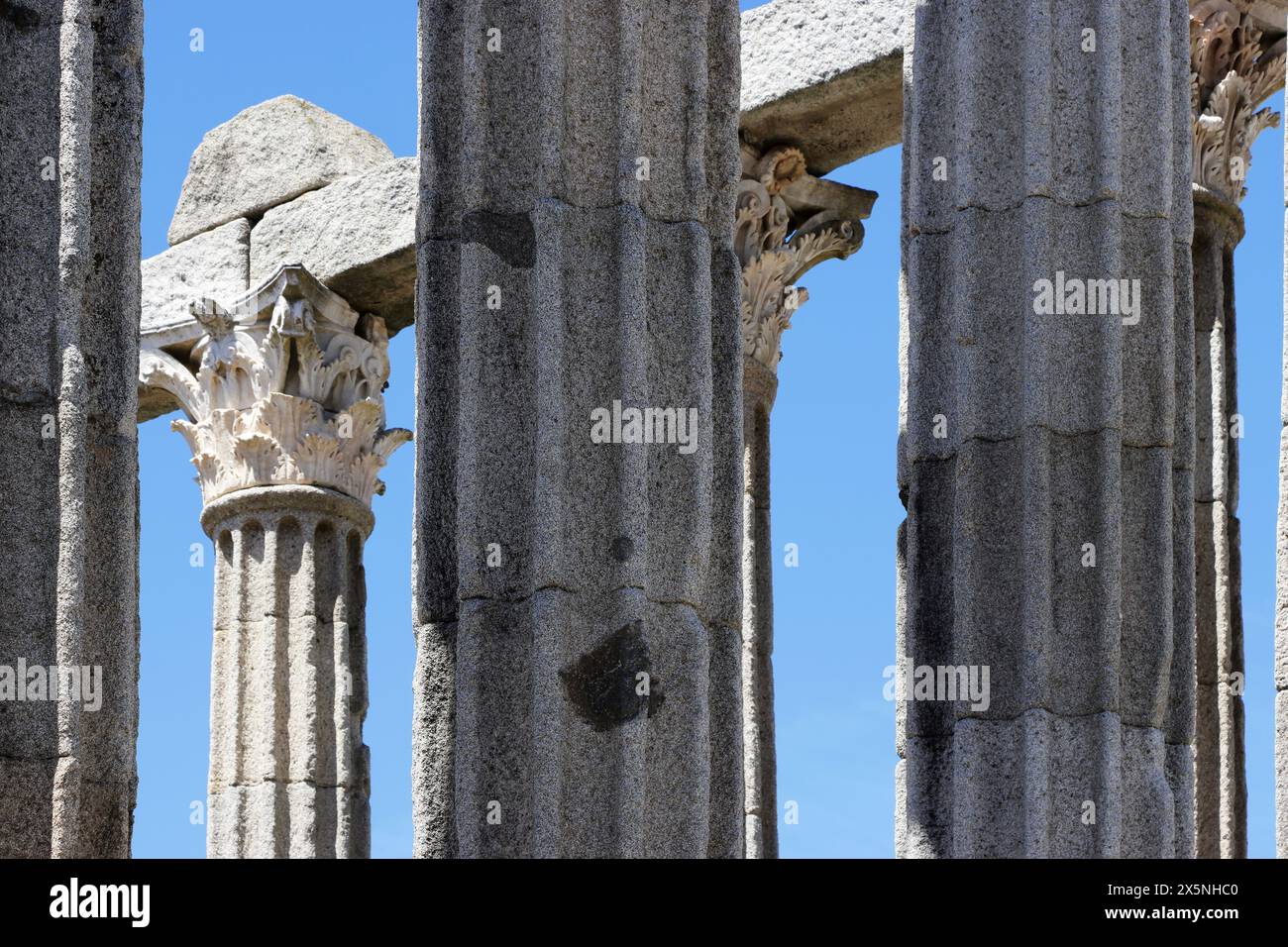
The Roman temple in Evora (Templo Romano, also called Temple of Diana

Templo Romano Accessible Portugal

Más de 30 000 imágenes gratis de La Presentacion De Jesus En El Templo

Un templo romano escondido en pleno centro de Barcelona (España) Info
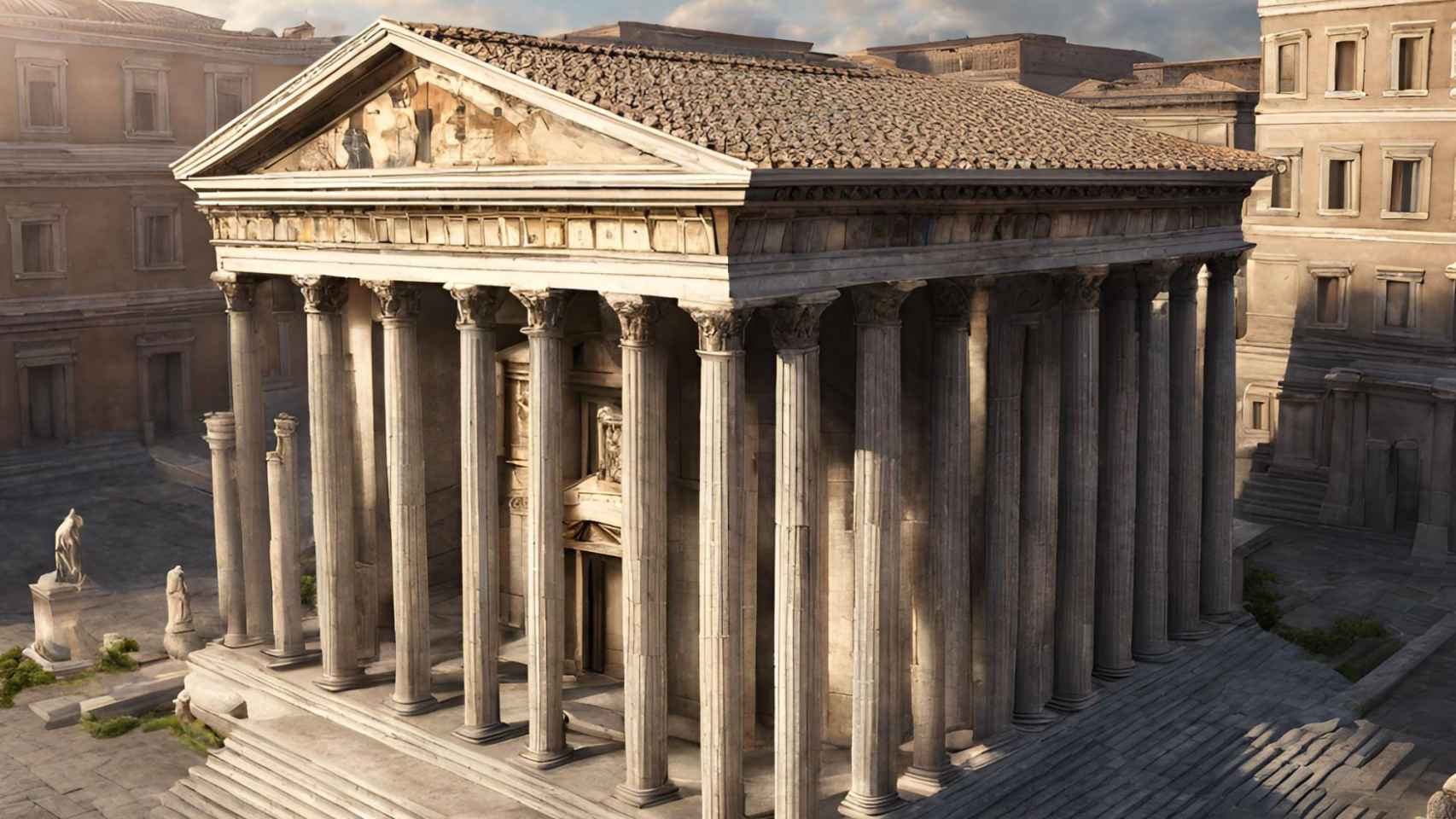
El templo romano menos conocido de Cataluña se puede visitar gratis

Aguarela Templo Romano
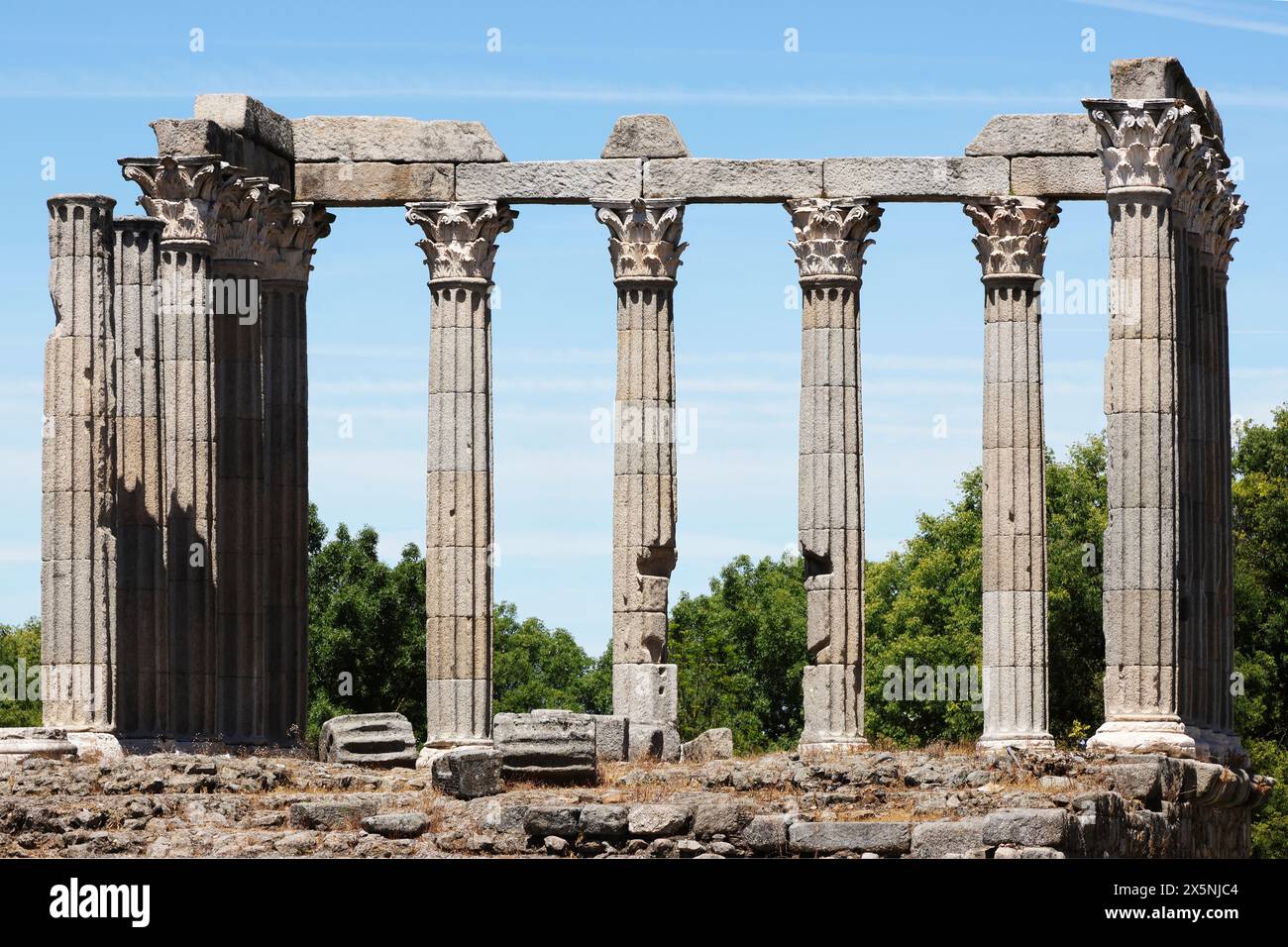
The Roman temple in Evora (Templo Romano, also called Temple of Diana
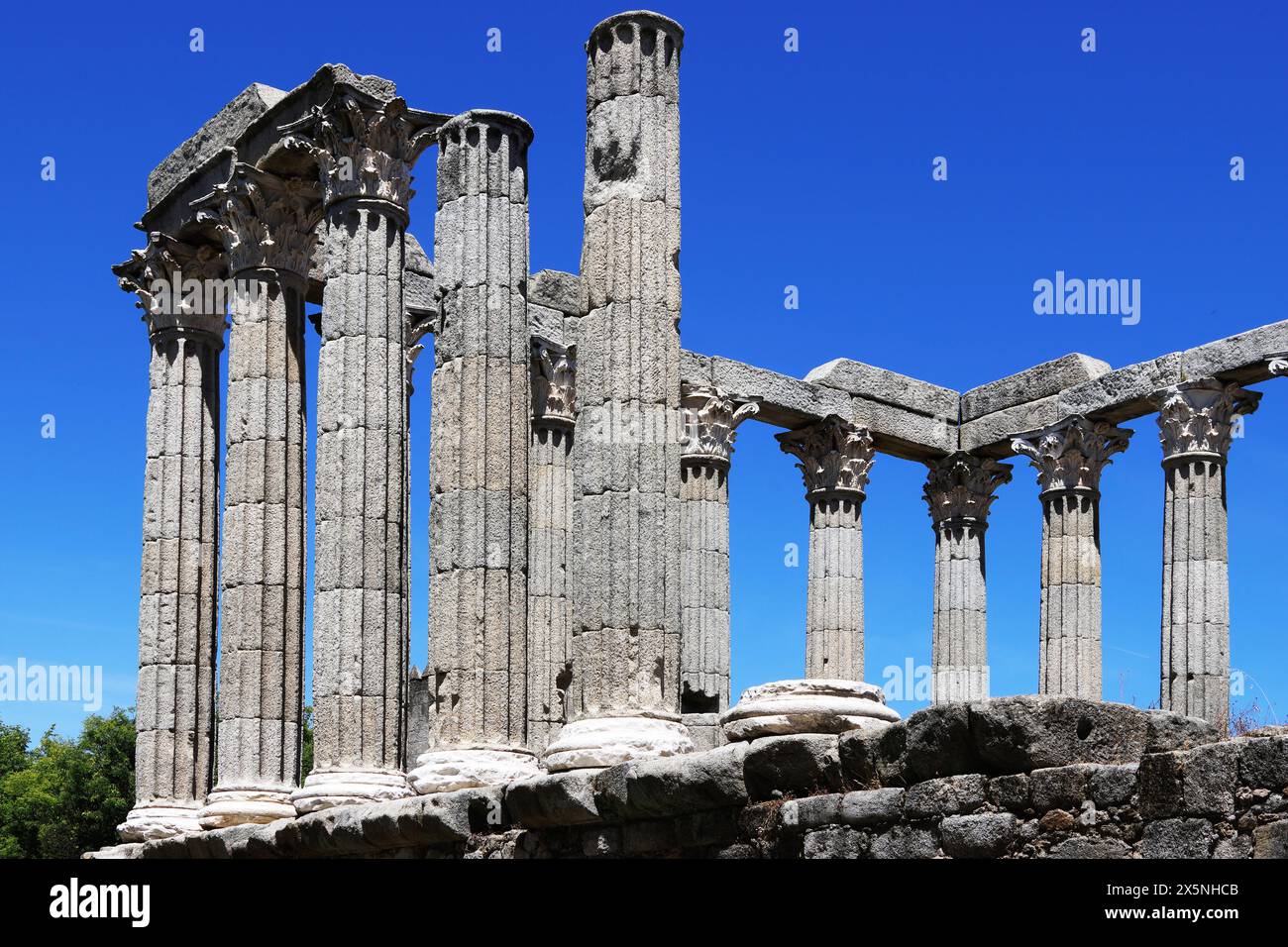
The Roman temple in Evora (Templo Romano, also called Temple of Diana

Quais são as partes de um templo romano?

Templo Romano, una mirada a su historia
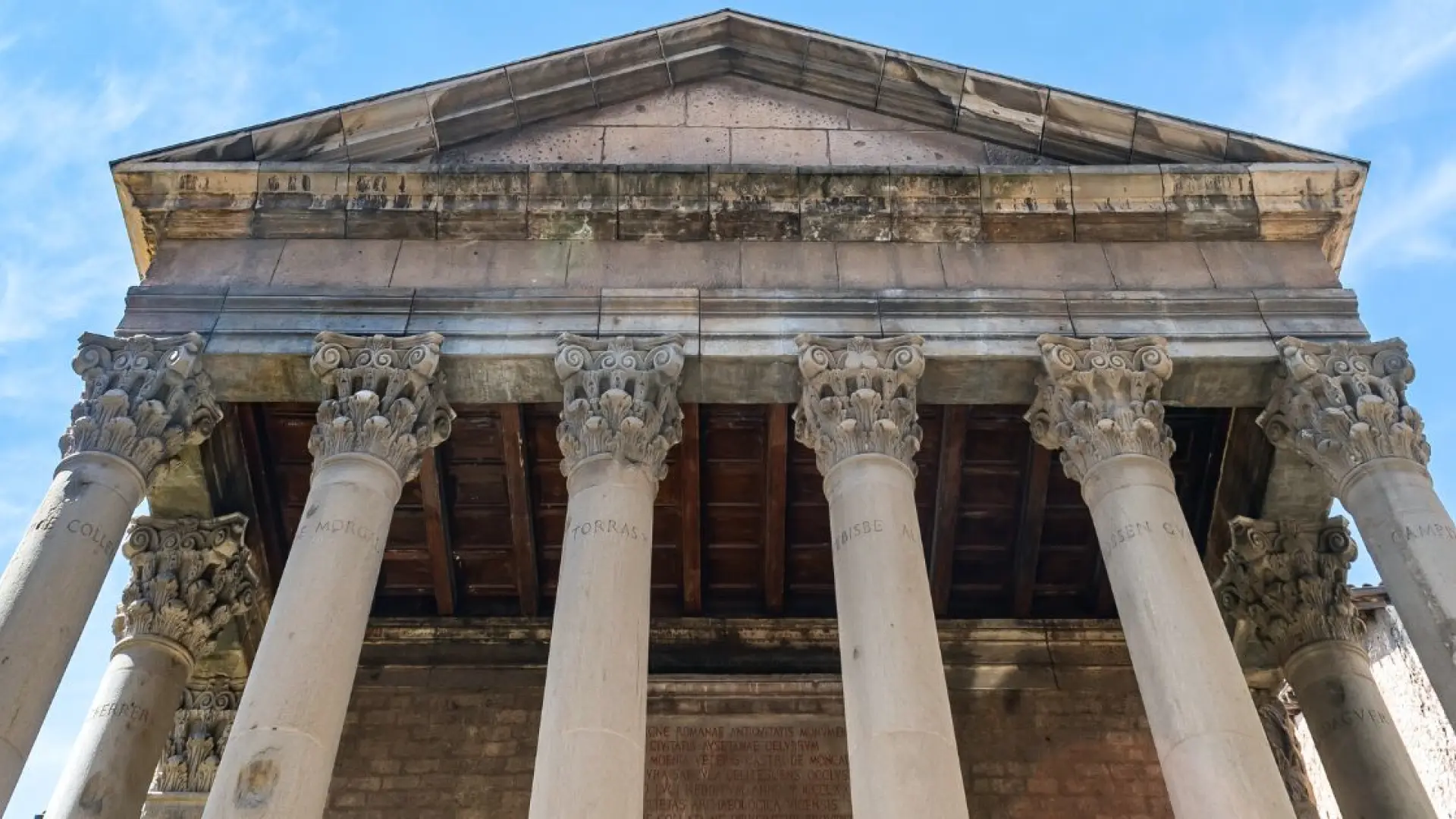
El curioso y desconocido templo romano del siglo II en Cataluña
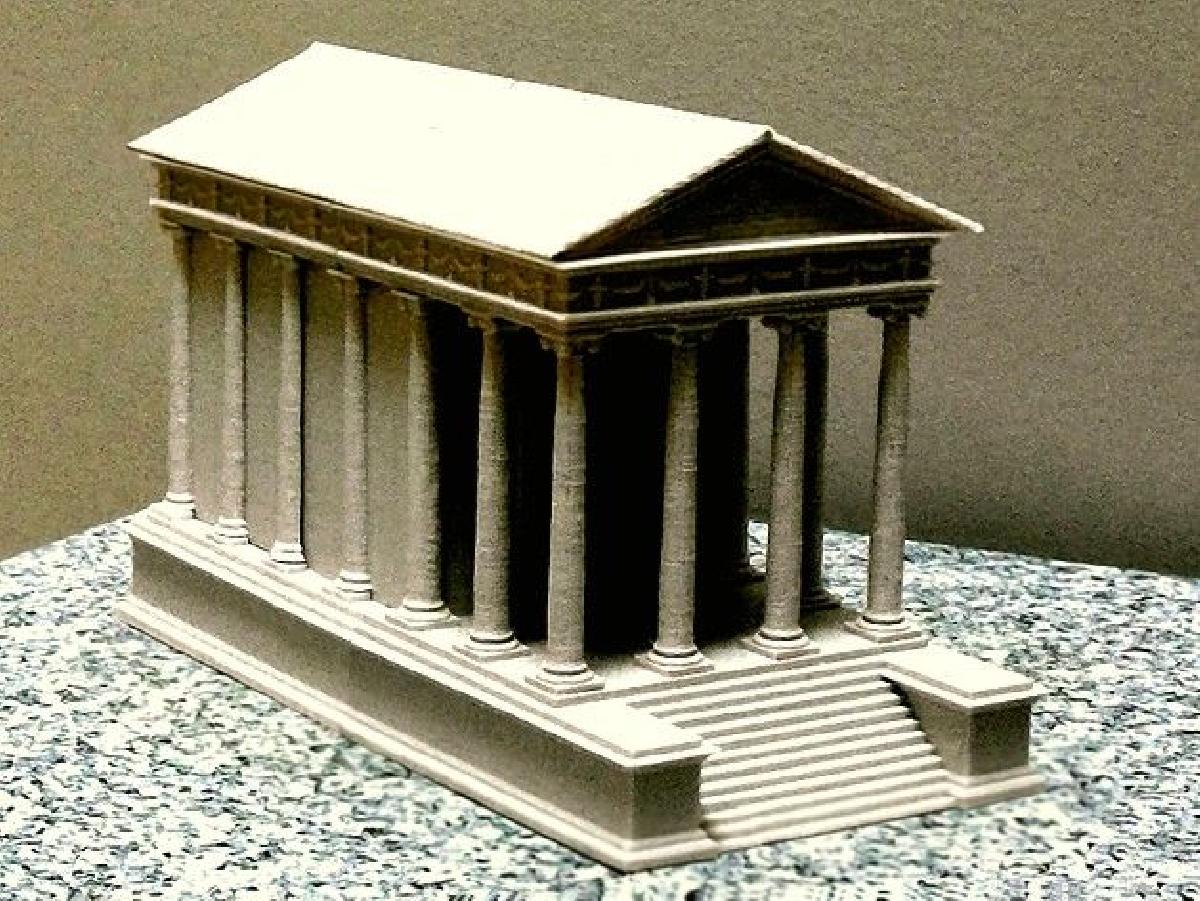
Imprimir STL Templo Romano Modelo 3D 2650801

Por el Templo y por las Casas Tomo 4 (Spanish Edition) Morales, Juan
Templo romano 3D Warehouse
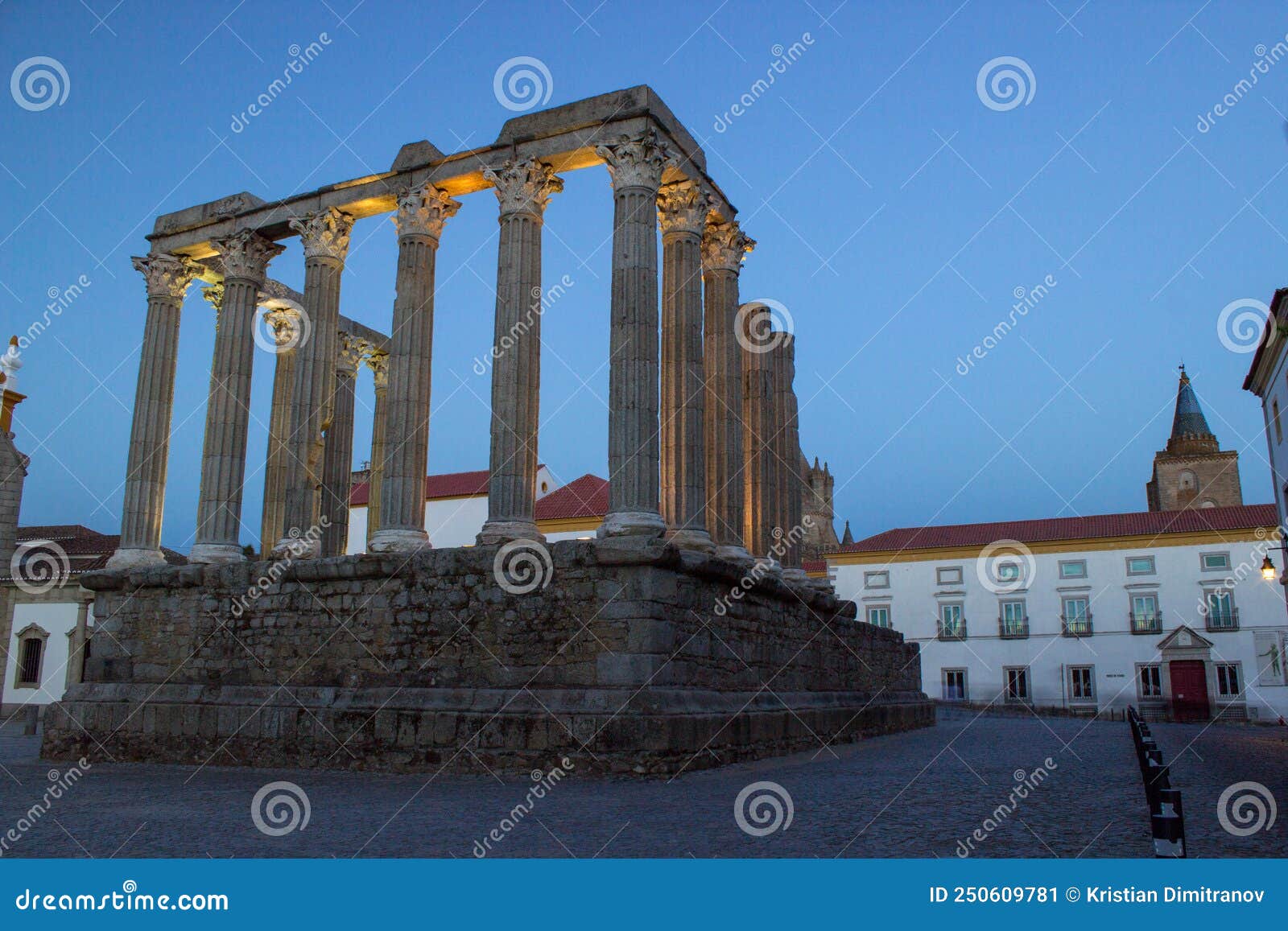
El Templo Romano De Evora Portugal Imagen de archivo Imagen de flor

Ruinas Templo Romano Foto gratis en Pixabay Pixabay
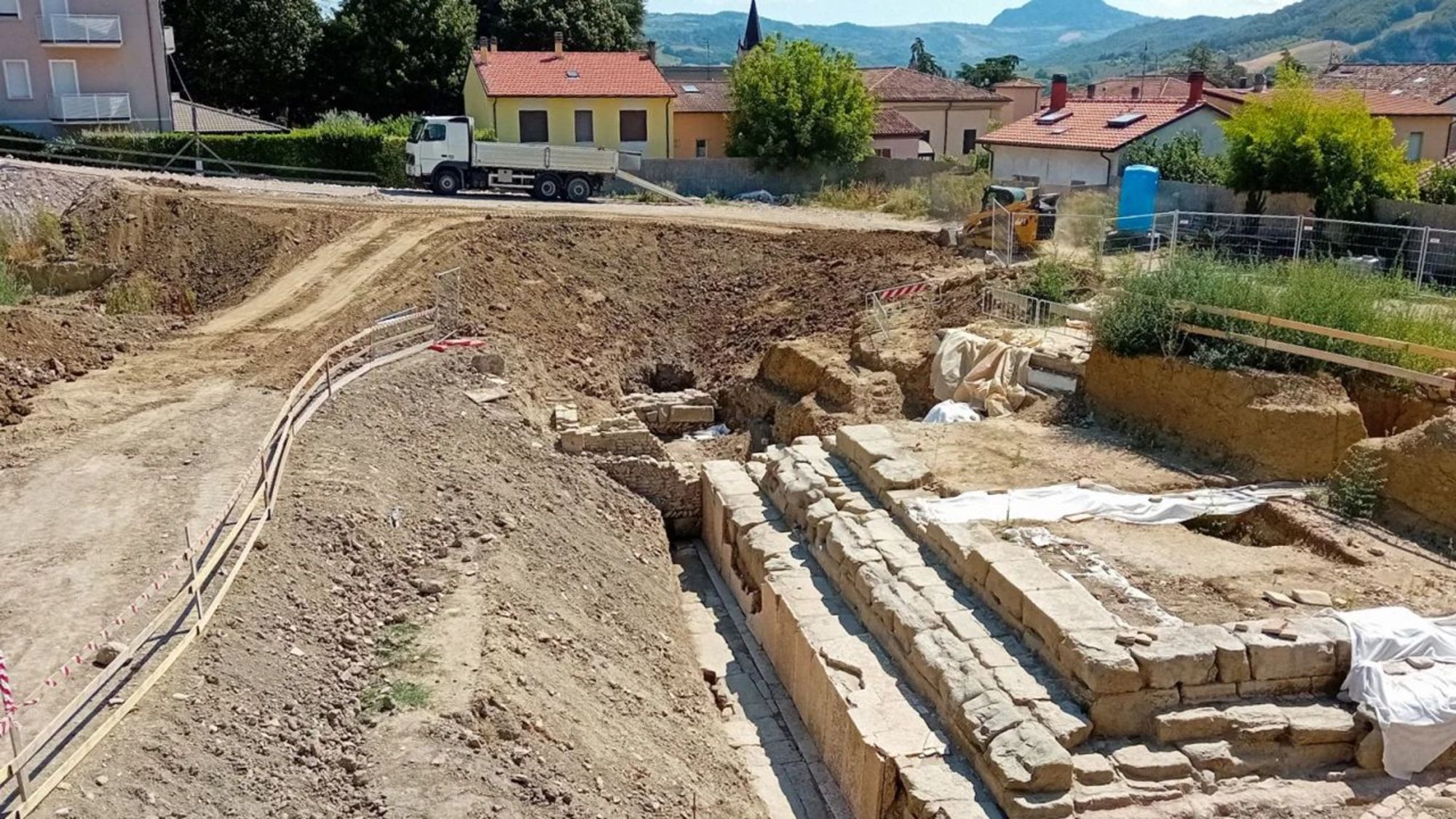
Descubren un templo romano “extremadamente raro” durante la

Imágenes de Templo Romano Ilustracion Descarga gratuita en Freepik
The Templo Romano de Évora, also known as the Temple of Diana, is a well-preserved Roman structure located in the historical city of Évora, Portugal. Believed to have been constructed around the first century A.D., it’s one of the most significant and visible landmarks from Roman times in Portugal.. The Romano-Celtic temple was a simple style, usually with little use of stone, for small temples found in the Western Empire, and by far the most common type in Roman Britain, where they were usually square, with an ambulatory.

